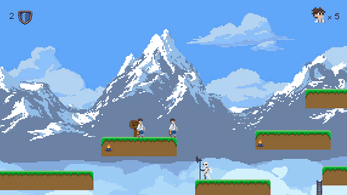
Project Samuro is a university team project and an early mechanic-driven case study. The game is built around a clone system used for traversal and puzzle-like platforming decisions.
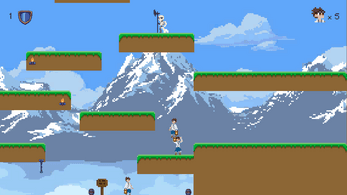
Project context
- Status: Shipped
- Platform: PC
- Genre: 2D Platformer
- Engine: Unity (C#)
- Team context: Small university team
- Link: itch.io page
My role and responsibilities
- Proposed the clone-based core mechanic
- Designed challenges around clone placement and switching
- As the team's sole programmer, coded all gameplay systems in Unity/C# by hand, without AI assistance
- Structured interactions so one core rule could support multiple scenarios
Design focus
The key objective was making one mechanic flexible enough to drive the whole game loop.
The clone system creates decisions around:
- positioning
- timing
- role switching
- traversal planning
Systems notes
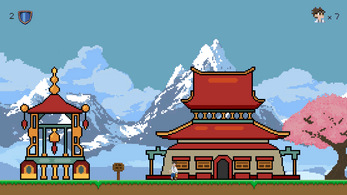
Rather than using clones as a one-time gimmick, I aimed for a reusable systemic rule that players could apply repeatedly in different level contexts.
That made this project an early example of systems-oriented design and implementation working together.
Outcome and lessons
Project Samuro remains a useful supporting case study for mechanic-driven gameplay structure.
Main lessons:
- one clear mechanic can carry substantial gameplay depth
- level design quality depends on rule clarity
- implementation details strongly shape mechanic readability